
While colder weather doesn’t directly cause respiratory illnesses like pneumonia, there is a correlation. People spend more time together indoors in the winter, allowing germs to circulate. Cold, wet weather can impair our immune systems, making us more susceptible to illness.
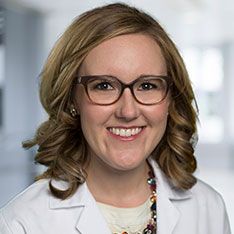
Pneumonia is a common condition that rears its head in the colder months. Dr. Holly Keyt, a pulmonary disease specialist with University Health, explains what causes it, what the symptoms are and how you and your family can prevent it this season.
What Is Pneumonia, and What Causes It?
Pneumonia is an infection that causes the air sacs in the lungs to fill with fluid. “This fluid makes it more difficult for oxygen to get into your bloodstream, making it harder to breathe,” said Dr. Keyt. “Pneumonia can be mild or life-threatening depending on factors like age and pre-existing conditions.”
Pneumonia is usually caused by bacteria or a virus, but in some cases, it can develop due to a parasite or fungus. There are also instances in which patients get aspiration pneumonia, which can occur when your airways or lung tissue get irritated after food or liquid accidentally get into your lungs.
Pneumonia is also a common complication of the flu. “Getting a flu shot can help prevent both illnesses,” said Dr. Keyt.
How Contagious Is Pneumonia?
Viral and bacterial pneumonias are very contagious. “They can spread when an infected person in the room sneezes or spews droplets while talking,” Dr. Keyt said. These germs can even live for a while on nearby surfaces.
Fungal pneumonias are not contagious.
People with bacterial pneumonia are likely contagious until their fever is gone or until they have taken two full days of antibiotics. Dr. Keyt notes that people with viral pneumonia are considered contagious until their symptoms go away, which could take days or weeks.
People who are sick with bacterial or viral pneumonia should stay home, wear a mask and wash their hands frequently to help prevent the spread.
What Are the Symptoms of Pneumonia?
The most common pneumonia symptoms include:
- Cough with mucus
- Shortness of breath
- Chills
- Fever
- Loss of appetite
- Sweating
- Fatigue
Because these symptoms could be caused by any number of conditions, it’s important to get tested so you can get the proper treatment.
What Are the Complications of Pneumonia?
Dr. Keyt stresses, “while many people make a full recovery, pneumonia can cause serious illness for others.”
Complications can include:
- Dehydration
- Shortness of breath
- Bacteria in the bloodstream (sepsis)
- Heart, kidney or other organ damage
- Respiratory failure
How Serious Are Complications of Pneumonia?
Complications from pneumonia can be severe or life-threatening. People with severe complications may need to recover in the hospital and/or participate in pulmonary rehabilitation therapy.
At the first sign of illness, schedule an appointment with your primary care provider to get tested so you can get an accurate diagnosis and the proper treatment as quickly as possible.
Who Is Most Likely to Get Severe Pneumonia?
Anyone can get pneumonia, but it can be more severe for certain groups:
- Adults aged 65 and older
- Children younger than 2
- People with certain health conditions like diabetes, heart disease, asthma or a weakened immune system
- People who smoke or vape
Treatments to Fight Pneumonia
Treatment will depend on what caused the pneumonia: virus, bacteria, fungus, parasite, etc. Your primary care provider will also consider your age and existing health conditions.
“Most people will be able to fight the pneumonia at home with plenty of bed rest, hydration and over-the-counter pain relievers,” said Dr. Keyt. Your doctor can prescribe antibiotics if you have a bacterial infection. Fungal pneumonia can be treated with anti-fungal medications.
What Is the Recovery Time from Pneumonia?
Depending on your age, overall health, existing health conditions and immune strength, you may be sick with pneumonia for days or weeks. Depending on the severity of your illness, it could take months to make a full recovery. It’s important to not rush your recovery — take as long as you need to feel better.
While you’re recovering from pneumonia, you should avoid activities like:
- Going to school or work if you feel sick
- Vigorous exercise
- Smoking
- Drinking alcohol (especially if you’re taking antibiotics)
Getting Vaccinated is Key
Children younger than 5 and adults older than 65 are at a higher risk for serious infection from pneumonia. Getting a pneumonia vaccine is an effective way to prevent serious illness.
There are two types of pneumonia vaccines, both of which are given as shots:
- PCV (polysaccharide conjugate vaccine)
- PPSV (pneumococcal polysaccharide vaccine)
The flu is also a common cause of pneumonia, so getting your yearly flu shot will help prevent serious sickness. Ask your pharmacist or primary care provider about getting up to date on your vaccines.
Lung Care at University Health
When it comes to pneumonia and other serious lung conditions, having access to expert care can make all the difference.
Learn more about the pulmonary specialists at University Health. Our pulmonologists provide advanced care for both adults and children, treating everything from common breathing issues to complex lung diseases.
Our team treats hundreds of patients each year for conditions such as asthma, cystic fibrosis, lung cancer, sleep disorders and pneumonia. We’re also home to one of the leading lung transplant programs in the world, with more than 800 lung transplants performed.